Cliffside Park Locksmith Service Team
Local locksmith team
Jul 3, 2026 10 min read

If you live near Anderson Avenue or commute along the Palisades, you already know that Cliffside Park homes tend to be older, character-filled buildings — and older buildings tend to have mortise locks. That heavy rectangular mechanism recessed into the edge of your door is built to last decades, but when it starts sticking, grinding, or refusing to throw the bolt, it can turn a quiet evening into a genuinely stressful situation. Before you force anything and cause expensive damage, it is worth understanding exactly why these locks fail and what you can realistically fix yourself versus what needs a trained locksmith.
This guide breaks down the most common causes of a jammed or hard-to-turn mortise lock, gives you clear DIY checkpoints, and explains the warning signs that mean it is time to call a professional rather than muscle through it. Whether your lock has been sluggish for weeks or seized up without warning tonight, the information below will help you make a smart, safe decision.
## What Is a Mortise Lock and Why Does It Behave Differently?
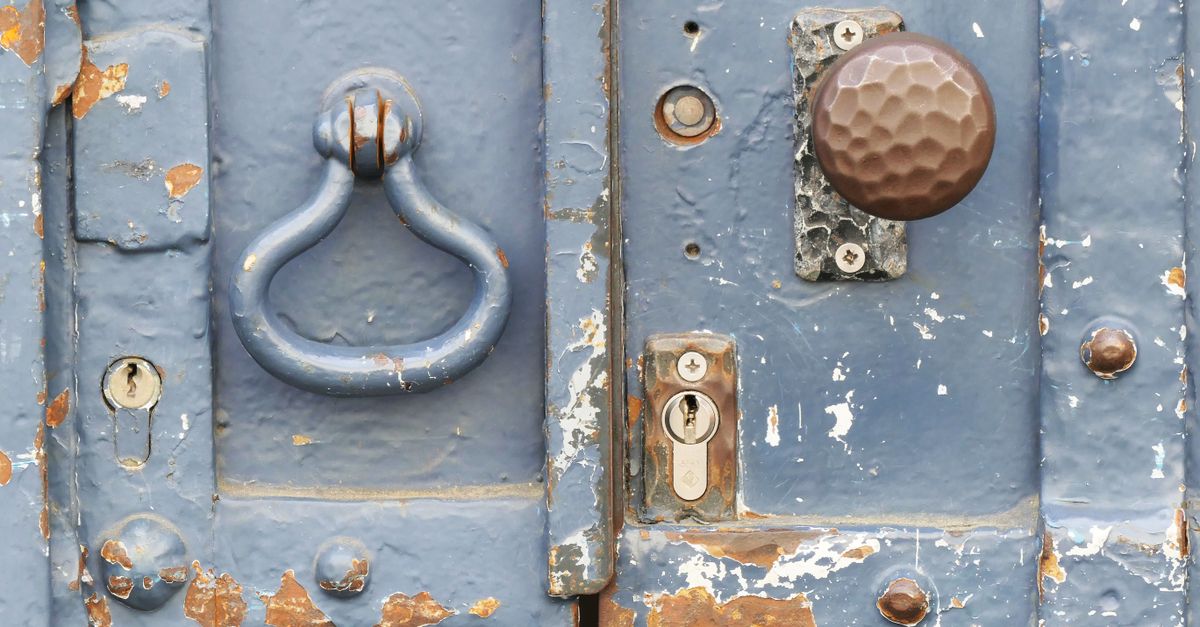
A mortise lock is a complete locking mechanism — latch, deadbolt, and sometimes a cylinder — housed inside a rectangular steel case that sits inside a pocket cut into the door itself. Unlike a simple door knob lock or a cylindrical deadbolt that mounts on the door's surface, a mortise lock set integrates multiple functions into one body. That complexity is exactly what makes it so secure and also what makes diagnosing a problem slightly more involved. Brands like Corbin Russwin mortise lock hardware, often found in multi-family buildings and older commercial properties throughout Bergen County, are precision-engineered but still subject to the same wear, grime, and misalignment that affects any mechanical system.
Because the case is recessed into the door, stress that would simply pop a surface-mounted lock out of alignment instead bends the door stave or elongates the mortise pocket over time. This means the symptoms you feel — a key that turns stiffly, a latch that drags on the strike plate, a thumbturn that moves only halfway — are rarely caused by just one thing. Understanding the layered nature of a mortise lock set is the first step toward diagnosing it correctly.
## The Five Most Common Reasons Your Mortise Lock Sticks
Lack of lubrication is the single most frequent culprit. The internals of a mortise lock — the cam, the follower, the latch spring — are metal on metal and need a dry lubricant like graphite powder or a PTFE-based spray to move freely. WD-40 is tempting but wrong for locks: it attracts dust and gums up the mechanism within months. If your lock has become hard to turn gradually over the course of a year, start here. With the door open, spray graphite into the keyway and along the latch bolt, work the key and thumbturn through several full cycles, and wipe away any excess from the face of the door. That alone resolves a large percentage of sticky mortise lock complaints.
Door misalignment is the second major cause and it is far more serious. Homes in Cliffside Park, like much of the northeastern United States, experience significant seasonal humidity swings. Wood doors absorb moisture in summer and swell; they shrink again in winter. Over years, door frames also shift as foundations settle. When the door no longer hangs square in the frame, the latch bolt hits the edge of the strike plate instead of seating cleanly inside it, and the bolt has to fight friction every time you lock or unlock. You may also hear a scraping sound as the door closes. Third, a worn or broken latch spring inside the case can cause the latch to drag or fail to retract fully. Fourth, a damaged or corroded cylinder — the plug that your key turns — creates resistance that feels identical to an internal jam but is actually isolated to the keyway. Fifth, accumulated debris inside the case, common in older buildings where the mortise pocket is never cleaned during routine maintenance, can physically obstruct the cam and lever tumblers.
## Safe DIY Fixes vs. When to Call an Emergency Locksmith
There are a handful of repairs a careful homeowner can perform safely. Lubrication, as described above, is always the first step and carries essentially no risk. Tightening loose face-plate screws on the door edge can sometimes restore alignment on the latch. If the strike plate is visibly misaligned by a small margin, removing it and filing the edge of the strike opening by a millimeter or two — or using a longer strike plate that spans the misalignment — is within a handy homeowner's reach. These are the limits of safe self-service on a mortise lock.
Everything beyond that point risks making a manageable problem expensive. If you force a sticking key, you can shear the key inside the cylinder, leaving a broken fragment that now requires a different and more involved extraction process. If you attempt to disassemble the mortise case without knowing the internal layout, you may release a spring under tension that damages the mechanism or injures you. If you try to adjust the door hinges without understanding how they interact with the lock side, you can throw the whole door further out of square. This is the moment to call an emergency locksmith — and calling sooner rather than later almost always keeps the job simpler and the repair more straightforward. Reach our Cliffside Park team any time at 201-949-7444.
## Door Hardware, Door Types, and Why They All Affect Your Mortise Lock
One thing homeowners are sometimes surprised to learn is how much the door itself — its material, thickness, and construction — determines how a mortise lock performs and ages. Steel commercial doors expand and contract far less than wood, but they are subject to frame racking when a building shifts. Fiberglass doors can flex enough to pull a mortise pocket slightly out of true over time. Historic wooden doors, common in Cliffside Park's pre-war apartment buildings, are the most variable of all: they breathe with every season and often require annual minor adjustments to keep hardware operating smoothly.
Door hardware choices also matter more than most people realize. A mortise lock set with a heavy solid-brass face plate and a quality cylinder will tolerate misalignment better than a lightweight version because the tolerances inside the case are tighter. When you invest in a strong, brand-name door and lock combination — think of manufacturers that build to ANSI Grade 1 or Grade 2 standards — you are building in a margin for the imperfect real-world conditions that every door faces. Our team installs new locks across all door types and can advise on the right mortise lock set for your specific door thickness, material, and security needs. We also service and upgrade door hardware comprehensively: cylinders, thumb-turns, escutcheon plates, strike boxes, and the door closers and hinges that determine how well the whole system functions together.
Beyond mortise locks, our full services include: residential lockout assistance, commercial lockout response, automobile lockout service, broken key extraction from any lock type, lock rekeying, master key system design and installation, high-security lock upgrades, smart lock and keypad lock installation, keypad code reprogramming, key fob programming, transponder key cutting, car key duplication, ignition repair and replacement, padlock removal, safe opening, safe combination changes, deadbolt installation, door frame and strike plate reinforcement, peephole installation, mailbox lock replacement, sliding door lock installation, window lock installation, garage door lock service, access control system consultation, lock hardware supply for Schlage and Kwikset systems, and emergency board-up coordination after a forced entry.
## Rekeying, Replacing, and What Locksmith Service Actually Costs in NJ
A common question after any lock repair is whether it makes more sense to rekey the existing mechanism or replace it entirely. Rekeying — the process of reconfiguring the pin tumblers inside the cylinder so that old keys no longer work and a new key is cut to match — is a legitimate, professional service that makes sense when the lock body itself is in good mechanical condition. If you have recently moved into a Cliffside Park apartment, had a break-in, lost a key, or ended a relationship with someone who had a copy, rekeying is faster and typically simpler than a full replacement. It does not apply to every situation: a mortise lock with a cracked case, a broken spring, or a severely worn cam usually needs the full mechanism replaced rather than just a cylinder reconfiguration.
Homeowners and building managers in New Jersey frequently ask how much a locksmith costs, what the average call-out fee is for a locksmith, and how much an emergency locksmith costs near them. The honest answer is that no reputable locksmith can give you a meaningful quote without knowing the specific details of your job. Factors that shape the final price include the type and grade of lock involved, whether parts need to be sourced, the time of day the call comes in, and the travel distance to your location. Emergency locksmith service outside normal business hours naturally reflects the cost of around-the-clock availability. What we commit to at Cliffside Park Locksmith is confirming an exact price with you before any work begins — no surprises on the invoice. We are insured, experienced on both residential and commercial properties, and available every hour of every day. Call us at 201-949-7444 whenever you need us.
Frequently asked questions
What is a mortise lock and how is it different from a regular deadbolt?+
A mortise lock is a complete locking mechanism — including the latch, deadbolt, and cylinder — housed in a steel case that sits inside a pocket cut into the edge of the door. A standard deadbolt mounts on the door's surface and operates a single bolt. Because a mortise lock integrates multiple functions in one recessed body, it offers greater resistance to forced entry but also requires more precise installation and occasional professional servicing to stay in top working order.
Can I pick my own door knob lock or mortise lock if I am locked out?+
We strongly advise against attempting to pick a lock yourself. Without proper training and tools, you risk damaging the cylinder pins, breaking a pick inside the keyway, or causing cosmetic damage to the door hardware — all of which can make a simple lockout into a more costly repair. The safe, legitimate steps when locked out are: check for a spare key with a neighbor or family member, check whether another entrance is accessible, and then call a professional locksmith. Our team arrives quickly throughout the Cliffside Park area and can open your door without damage to the lock or the door.
How much does an emergency locksmith cost in NJ, and is there a call-out fee?+
The total cost of any locksmith job in New Jersey depends on several factors: the type of lock or vehicle involved, the specific work required (lockout, repair, rekeying, replacement), the time of day, and travel distance. Many locksmiths include a service or call-out fee that covers dispatch and arrival; the scope of work then adds to that base. At Cliffside Park Locksmith, we give you an exact confirmed price before we start any work so you know precisely what to expect. We never add hidden charges after the fact.
Can a locksmith rekey or replace a Corbin Russwin mortise lock, and can they also program a key fob?+
Yes on both counts. Experienced locksmiths work with a wide range of commercial-grade hardware including Corbin Russwin mortise lock systems, which are common in Bergen County apartment buildings and older commercial properties. Rekeying, cylinder replacement, and full mechanism replacement are all standard services. Key fob programming is a separate but equally common service: a skilled automotive locksmith can program a replacement fob to your vehicle's immobilizer system on-site, without a dealership visit. The factors that affect the cost of fob programming include the make and model of your vehicle and whether a new fob needs to be sourced in addition to the programming work.